

When summer rolls in, many of us prepare to enjoy warm days and relaxing evenings, but with it comes one of the season’s most unwelcome guests—mosquitoes. These tiny pests can quickly ruin outdoor fun and, worse, pose serious health risks due to the mosquito-borne diseases they carry. But how long is mosquito season, and what can you do to stay bite-free? This blog will provide everything you need to know about mosquito season, how to protect yourself, and when professional mosquito control may be necessary.
Understanding Mosquito Season
Mosquito season typically begins when temperatures start rising in the spring and can last until the early fall. In most regions of the United States, mosquito season kicks off in early February in warmer areas and early March in more temperate zones, with peak mosquito season often occurring during the hottest months. The season usually winds down as the cooler temperatures of late fall settle in, but that doesn’t mean the danger is over. Mosquitoes are resilient creatures, and some species, like the Asian tiger mosquito, can stay active well into the fall if the conditions are right.
However, the exact length of mosquito season can vary depending on where you live. For example, in states like Florida, where the climate remains warm for most of the year, mosquito season can be significantly longer, sometimes stretching from early April to late fall.
What Attracts Mosquitoes and Why They Thrive During the Season
Understanding what attracts mosquitoes can help you take steps to avoid them. Female mosquitoes, which are the only ones that bite, require a blood meal to produce eggs. This need for nourishment is one of the primary reasons why mosquito activity spikes during the warmer months. But what specifically attracts mosquitoes?
1. Standing Water: Mosquitoes breed in standing water, making it one of the most significant factors in the mosquito population boom during the summer months. Mosquitoes lay eggs in water, and even small amounts of stagnant water, like that found in puddles, flower pots, and birdbaths, can become breeding grounds. To reduce mosquito populations, it’s crucial to eliminate standing water around your home.
2. Body Heat and Sweat: Mosquitoes are drawn to body heat and the scent of sweat. The more you sweat, the more likely mosquitoes will find you.
3. Carbon Dioxide: Mosquitoes are also attracted to the carbon dioxide we exhale. The higher your activity level, the more carbon dioxide you produce, and the more likely mosquitoes are to zero in on you.
4. Lactic Acid: Produced by your body when you exercise, lactic acid is another mosquito magnet. This is why mosquitoes tend to swarm around active individuals during outdoor activities.
When Mosquitoes Are Most Active
Mosquitoes tend to be most active during the early morning and late evening hours. The warm, humid conditions of summer nights are ideal for mosquitoes to thrive, making them a common nuisance at outdoor barbecues or late-night walks. However, some species, like the Asian tiger mosquito, are active during the day, adding to the challenge of avoiding bites.
Mosquitoes are more likely to be found in areas with heavy vegetation, where they can find hiding places and stay out of the sun during the day. They also prefer areas with high humidity, making summer rainfalls an ideal time for mosquito breeding. This is why it’s essential to regularly check for and remove any stagnant water around your property.
The Health Risks of Mosquito Bites
Mosquito bites are more than just itchy annoyances; they can carry serious health risks. Some of the most dangerous mosquito-borne diseases include:
West Nile Virus: Found in the United States, this virus can cause severe neurological issues.
Zika Virus: This virus can lead to birth defects in pregnant women.
Malaria: Though rare in the U.S., malaria is still a concern in other parts of the world.
Dengue Fever: Mostly found in tropical climates, dengue fever can be deadly if not treated.
The bite of a female mosquito is what transmits these illnesses. By taking steps to reduce your exposure to mosquitoes, you can significantly reduce your risk of contracting these diseases.
How to Stay Bite-Free During Mosquito Season
So, how can you stay bite-free during mosquito season? Here are some proven strategies:
1. Wear Protective Clothing: Long sleeves and pants can provide a barrier against mosquito bites. Consider wearing light-colored clothing, as mosquitoes are less attracted to these colors.
2. Use Insect Repellents: Effective insect repellents are a must during mosquito season. Look for those containing DEET, picaridin, or oil of lemon eucalyptus for the best protection. Reapply as directed, especially if you’re sweating or swimming.
3. Install Screens: Keep mosquitoes out of your home by installing tight-fitting screens on windows and doors. Ensure there are no tears or gaps where mosquitoes can enter.
4. Eliminate Standing Water: As mentioned, standing water is a breeding ground for mosquitoes. Regularly check areas like gutters, birdbaths, and plant pots to prevent water from accumulating.
5. Use Mosquito Traps: Mosquito traps can help reduce the mosquito population around your home. These devices attract and kill mosquitoes, lowering the risk of bites.
6. Hire Professional Mosquito Control: Sometimes, the best way to get rid of mosquitoes is to call in the professionals. Companies that specialize in professional mosquito control can provide treatments that eliminate mosquito breeding sites and reduce populations.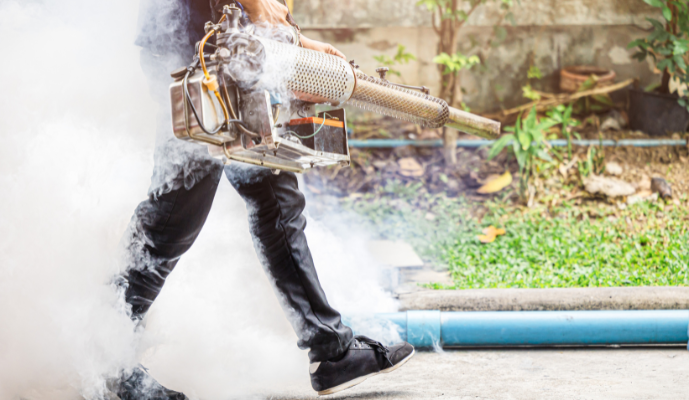
How to Control Mosquitoes Naturally
If you’re looking for natural ways to control mosquitoes, there are a few options. Essential oils, like lavender or citronella, can be effective when applied as a natural insect repellent. Planting mosquito-repelling plants, such as marigolds or lemongrass, around your home can also help. Additionally, bats and dragonflies are natural predators of mosquitoes, so encouraging their presence in your yard may help reduce the mosquito population.
When Does Mosquito Season End?
While mosquito season may seem never-ending, it does have a conclusion. As temperatures drop in the fall, mosquito activity begins to decrease. In most regions, mosquitoes die off after the first frost. However, in warmer climates, mosquito season can extend into late fall, and some species, like the Asian tiger mosquito, may remain active until the temperatures drop significantly. If you’re in an area where winters are mild, mosquitoes may continue to be a problem, requiring year-round control measures.
Buzz off SWFL: Your Partner in Mosquito Control
If you’re struggling with mosquitoes in your area, Buzz off SWFL offers professional mosquito control services that can help. Their team of experts uses safe and effective treatments to control mosquitoes and reduce their populations around your home. From treating breeding sites to eliminating adult mosquitoes, Buzz off SWFL can help you stay bite-free all season long.